Nuisance Animal Removal
Janus Pest Management
Service On Your Terms
One-Time | Monthly | EOM | Quarterly | Semi-Annual | Custom
Free site survey available.
San Gabriel Valley — Licensed by CDFW
Southern California’s urban wildlife pressure is year-round. Raccoons, skunks, opossums, and feral cats exploit structural vulnerabilities, establish dens, and introduce serious health risks — fleas, ticks, mites, roundworm, and leptospirosis among them.
At Janus, we go beyond simple trapping. Our approach combines:
- Humane live trapping with shielded, CDFW-approved equipment
- Game camera monitoring to verify den vacancy before sealing
- One-way exclusion doors for active dens — no capture required
- Structural repairs closing every entry point
- Behavioral deterrents — motion-activated water jets and predator scent repellents for raccoons and persistent wildlife
- Attic & sub-area cleaning to remove biological hazards and pest harborage left behind by wildlife
- Flea & parasite remediation — opossums, raccoons, and feral cats carry heavy flea loads. As a licensed pest control operator, Janus treats the infestation the animal leaves behind — something most wildlife operators aren’t equipped to do
Licensed. Thorough. Results.
Humane Animal Trapping
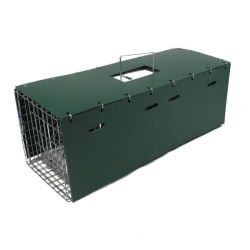
Why We Use Shielded Traps & Professional Covers
We cover traps when staged, following CDFW-recommended best practices. Shielding creates a dark, den-like environment that keeps animals calm during capture and transport.
Benefits of Shielded Traps:
-
Stress Reduction: A dark, enclosed environment mimics a natural den, muffling noise and visual triggers to keep the animal calm.
-
Injury Prevention: By eliminating the “panic response,” our shields prevent animals from thrashing or “fighting the cage,” avoiding self-injury.
-
Weather Protection: Covers provide critical shelter from harsh Southern California sun, wind, and rain during the relocation process.
-
Enhanced Safety: Calm animals are safer to transport. Shielding also prevents “reach-through” damage to turf and structural materials.
Janus Service Guarantee
Effective pest suppression—Guaranteed results: Sighting target pests between your scheduled visits? Janus will return and re-treat the area at no additional cost to you.
Professional Animal Trapping & Structural Exclusion
Access Denied: Structural Exclusion for Historical Landmarks & Your Home
Non-Invasive Approach to Wildlife Mitigation
Case Study #1: La Casa Nueva Historic Building
A family of skunks denned inside La Casa Nueva’s structural walls. Traditional trapping would disrupt this landmark’s public access and aesthetic.
The Janus Approach:
– One-Way Excluder: Specialized door permitted exit, prevented re-entry
– Camera Verification: 24/7 monitoring confirmed complete den vacancy before sealing
– Structural Exclusion: Entry points sealed with professional-grade materials
Result: Natural relocation without building damage or public disruption.
Behavioral Modification: Beyond Trapping
Tracking animal habits to implement effective, non-invasive deterrents
Case Study #2: Coyote Behavioral Modification in Pasadena
Nightly coyote activity in a residential backyard threatened family and pet safety. We mapped patterns with game cameras, then deployed a motion-activated water deterrent to modify behavior without trapping.
The Janus Approach:
– Pattern Mapping: Game cameras identified entry points and timing
– Motion-Activated Deterrent: Water-jet disrupted the animals’ sense of security
– Success Verification: Coyotes abandoned the site within days.
The homeowners reclaimed their backyard safely—no trapping required.
Motion-Activated Coyote Deterrent
Raccoon Removal
Raccoon Removal
🦝
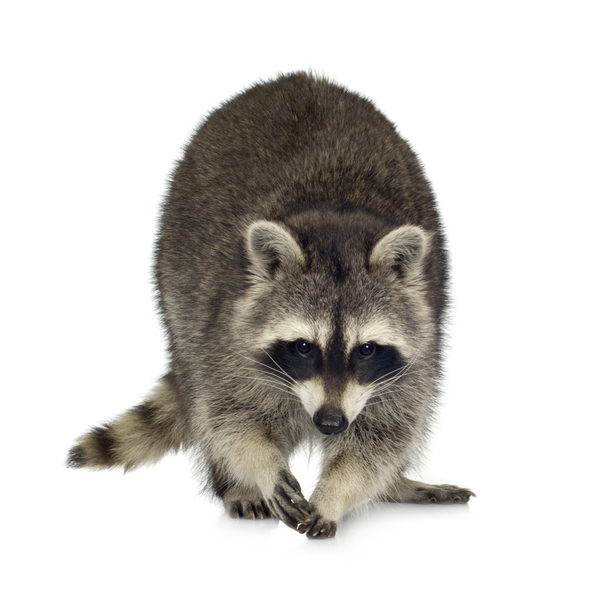
Persistent animals that carry roundworm, rabies, and parasites. Professional handling protects your family, pets, and property.
Skunk Removal
Skunk Removal🦨
Den under structures and spray defensively up to 15 feet. Carry rabies, leptospirosis, and parasites. Spray odor can permeate your home for months. Professional removal protects your property and family.
Possum Removal
Opossum Removal🦡
Opossums carry the heaviest flea loads of any common wildlife—often hundreds to thousands per animal. They also harbor ticks, mites, and diseases like leptospirosis and toxoplasmosis. Professional removal prevents infestations in
Feral Cat Removal
Feral Cat Removal🐈
Feral cats carry fleas that transmit tapeworms to pets and children. They also spread rabies, toxoplasmosis, feline leukemia, and reproduce rapidly—one female can produce 12-18 kittens annually. CDFW-licensed humane trapping available.
ProTip: Animal Proofing
Keep wildlife where it belongs — outside.
View Tips
Nuisance wildlife are opportunists — your property offers food, water, and shelter in close proximity. Removing attractants and closing entry points is more effective long-term than repeated removal.
- Roofline clearance — trim tree limbs 6–8 feet from the roofline; raccoons and opossums are capable leapers and use overhanging branches as direct access routes
- Vent and sub-area repairs — damaged attic and sub-area vents are the most common entry points for animals seeking to den inside a structure
- Trash management — secure non-locking lids with bungee cords; double-bag meat waste or use repellent bags to reduce scent trails that draw wildlife from the surrounding area
- Resource removal — store pet food and water dishes indoors overnight; pause bird feeders during active pressure; clear fallen fruit promptly
- Pet door security — secure pet flap doors at night; raccoons are dexterous enough to navigate standard flap doors and will enter living spaces
Exclusion repairs address the root cause. Removal without hardening the property produces the same result on a recurring basis.
At Janus Pest Management, we recognize that effective nuisance animal control requires more than staging a trap — it requires understanding how each species exploits landscaping, moisture, and structural vulnerabilities to establish and persist in otherwise well-maintained properties.
CDFW License: 65593
Schedule an Inspection Today — Or Call (888) 526-8744
Schedule an Assessment
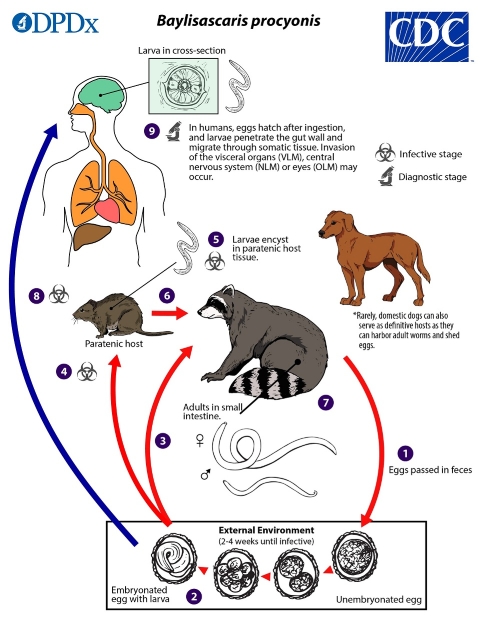
⚠️Raccoon Roundworm Health Risks
Raccoons shed millions of roundworm eggs daily through their feces. These eggs contaminate soil and latrine sites, becoming infective in 2-4 weeks and surviving for years.
Humans and pets accidentally ingest eggs from contaminated soil or surfaces. Larvae then migrate through the body to the brain, eyes, and organs—causing severe neurological damage with no effective treatment.
Small mammals like rabbits can harbor encysted larvae. When raccoons eat these hosts, the cycle continues—spreading contamination across your property.
Professional removal and site decontamination eliminate parasite sources before they threaten your family.