
Termite Control
Janus Pest Management
Service On Your Terms
One-Time | Monthly | EOM | Quarterly | Semi-Annual | Custom
Free site survey available.
Termite Control
The Janus Advantage: Early Detection. Targeted Treatment. Lasting Protection.
Termites cause more structural damage in the U.S. each year than fires and storms combined — and most of it happens before anyone notices a problem. A subterranean termite queen can live 25 years and lay up to 2,000 eggs per day. Left undetected, a colony quietly works through structural timbers, flooring, and wall supports for years.
The San Gabriel Valley’s climate — warm, dry summers and mild winters — creates ideal conditions for both subterranean and drywood termites year-round. Knowing which species you’re dealing with determines everything about how it gets treated.
Janus inspects the property, identifies the species and conditions driving activity, and recommends the most effective treatment path — whether that’s a localized application, a full fumigation, or addressing the conditions that made the property a target in the first place.
No guesswork. No one-size-fits-all approach.
Know What You’re Dealing With
Southern California is home to multiple termite species, but three types cause the most structural damage: subterranean, drywood, and dampwood. In the San Gabriel Valley, subterranean and drywood termites are the primary concerns — and each requires a completely different treatment approach.
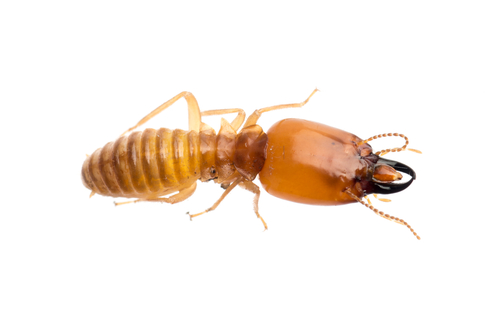
Subterranean termites nest in soil and are the most destructive species in the region. Drywood termites require no soil contact, nesting directly in wood — attic framing, exterior trim, and furniture are common targets. A 2025 UC Riverside study confirmed a third subterranean species in Southern California, helping explain why treatments sometimes underperform when the wrong species is assumed.
Janus identifies what you actually have before any recommendation is made.
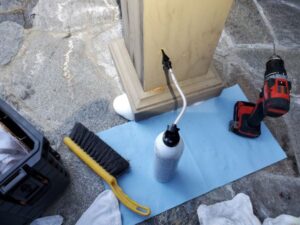
"Local" Termite Treatment — San Marino
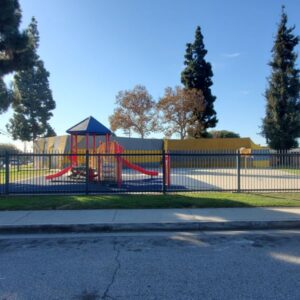
Termite Fumigation — EMCSD
Schedule A Termite Inspection
Wood-Destroying Organisms in the San Gabriel Valley
Not every structural damage call comes down to a single culprit. The San Gabriel Valley is home to multiple wood-destroying organisms — three distinct termite types, wood-boring beetles, carpenter bees, and wood decay fungi — several of which mimic each other’s damage, compound existing infestations, and each require their own identification and treatment approach.
The Most Destructive Termite in Southern California
Subterranean termites are the leading cause of structural termite damage in the United States — and the San Gabriel Valley is prime territory. They nest in soil and require consistent moisture to survive, building mud tubes to travel between the ground and the wood they’re consuming.
A subterranean termite queen can live 25 years and lay up to 2,000 eggs per day. A mature colony works silently through foundation sills, floor joists, wall framing, and support beams — often for years before damage becomes visible.
What to look for: Mud tubes along the foundation or crawlspace framing, hollow-sounding wood, and spring swarms following the first warm rain are the most common indicators.
In the SGV: A 2025 UC Riverside study confirmed a third subterranean species in Southern California — joining the previously identified R. hesperus and R. tibialis — underscoring why species-level identification matters before treatment begins.
Need help with Subterranean Termites? Schedule a free assessment.
Moisture-Dependent — and Preventable
Dampwood termites are less common in the San Gabriel Valley than subterranean or drywood species, but they do appear — particularly in properties with ongoing moisture problems. Unlike other termites, they require wood with high moisture content to survive. Their presence almost always indicates an underlying water issue.
They’re larger than subterranean termites and don’t build mud tubes. Infestations are typically localized to the moisture source — leaking pipes, faulty drainage, wood-to-soil contact, or wood in chronic contact with standing water.
What to look for: Soft, water-damaged wood that probes easily, gallery openings that are clean and smooth rather than mud-packed, and large discarded wings near moisture-affected areas.
The good news: Addressing the moisture source is often the most important step. Dampwood termite pressure rarely persists once conducive conditions are corrected.
Need help with Drywood Termites? Schedule a free assessment.
Moisture-Dependent — and Preventable
Dampwood termites are less common in the San Gabriel Valley than subterranean or drywood species, but they do appear — particularly in properties with ongoing moisture problems. Unlike other termites, they require wood with high moisture content to survive. Their presence almost always indicates an underlying water issue.
They’re larger than subterranean termites and don’t build mud tubes. Infestations are typically localized to the moisture source — leaking pipes, faulty drainage, wood-to-soil contact, or wood in chronic contact with standing water.
What to look for: Soft, water-damaged wood that probes easily, gallery openings that are clean and smooth rather than mud-packed, and large discarded wings near moisture-affected areas.
The good news: Addressing the moisture source is often the most important step. Dampwood termite pressure rarely persists once conducive conditions are corrected.
Need help with Dampwood Termites? Schedule a free assessment.
H4: Termites Aren’t the Only Threat to Structural Wood
Several other organisms cause wood damage that is frequently mistaken for termite activity — or found alongside it during inspections. Knowing the difference matters because treatment strategies differ significantly.
Powderpost Beetles Wood-boring beetle larvae tunnel through seasoned hardwood, leaving behind fine, flour-like powder near exit holes. Flooring, furniture, and hardwood structural members are common targets. Active infestations are identified by fresh frass and new exit holes.
Carpenter Bees Large solitary bees that bore perfectly circular half-inch holes into exterior wood — fascia boards, decks, eaves, and siding. A single hole may seem minor, but they return to and expand existing tunnels year after year, weakening structural members and creating entry points for moisture and decay.
Wood Decay Fungi Often called dry rot or wet rot, wood decay fungi break down the cellular structure of wood from the inside. Brown rot leaves wood brittle and cracked into small cubical chunks. White rot leaves wood soft, spongy, and bleached. Fungal damage is frequently found alongside termite activity — both are driven by the same moisture conditions.
Carpenter Ants Carpenter ants don’t eat wood — they excavate it to build nesting galleries, preferring wood already softened by moisture or fungal decay. Coarse, fibrous frass mixed with insect debris near entry holes is the primary sign. For full detail on carpenter ants and treatment, see our Ant Control page.
Need help with Pharaoh Ants? Schedule a free assessment.
ProTip: Termite Prevention
Termites are relentless opportunists, but they depend on one thing to survive and navigate: moisture. The conditions around your property often determine whether termites move in — or move on.
Control Moisture
Repair leaking faucets and pipes promptly. Even a slow drip can sustain a colony. Ensure gutters, downspouts, and foundation drainage are directing water away from the structure.
Keep Wood Away From the Structure
Store firewood and lumber at least 20 feet from the building. Wood piles close to the foundation give termites a staging point for entry.
Clear the Sub-Area
Remove wood debris and materials with direct soil contact from crawlspaces. Wood-to-soil contact is the most common entry condition we find on inspections.
Maintain Ventilation
Keep crawlspace and attic vents clear and unobstructed. Proper airflow reduces the humidity levels that attract wood-destroying organisms.
Signs of Termite Activity
By the time you see evidence, the colony has likely been active for years.
View Tips
ProTip: Signs of Termite Activity
Termites rarely announce themselves. By the time damage is visible, a colony has typically been active for months — sometimes years. These are the signs worth knowing.
Mud Tubes Pencil-width tunnels along the foundation, exterior walls, or crawlspace framing. Subterranean termites build these to travel between soil and wood without exposure to open air. Finding one is a strong indicator of active subterranean termite pressure.
Swarmers and Discarded Wings In Southern California, subterranean termites typically swarm in spring — often after the first warm rain. Drywood termites can swarm in late summer or fall. Swarmers are winged termites that emerge to start new colonies. They’re often mistaken for flying ants. Piles of uniform, scale-like wings near windows, doors, or light fixtures mean a swarm has already occurred nearby. The colony doesn’t leave with them.
Hollow-Sounding Wood Termites consume wood from the inside out, leaving a thin shell. Wood that sounds hollow when tapped, or feels soft and spongy underfoot, warrants a professional inspection.
Frass Small pellet-shaped droppings left by drywood termites — often resembling sawdust or fine grains of sand — near baseboards, windowsills, or below infested wood. Subterranean termites don’t leave frass in the open; drywood termites do.
Bubbling or Blistering Paint Paint that bubbles, blisters, or looks water-damaged without an obvious moisture source can indicate termite activity beneath the surface.
Sticking Doors or Windows Termite damage can cause subtle structural shifts that make doors and windows harder to open or close — easy to dismiss as settling or humidity until the source is found.
If you find any of these signs, don’t disturb the area. Moving or probing active termite evidence can cause the colony to redistribute deeper into the structure. Call for a professional inspection first.
At Janus Pest Management, we recognize that effective termite control requires more than perimeter sprays — it requires understanding how each species exploits landscaping, moisture, and structural vulnerabilities to establish and persist in otherwise well-maintained properties.